Click the player above to listen to the episode. Or listen on your favorite podcast app! We’re on all major podcast platforms including: Amazon Music, Apple Podcasts, Spotify, YouTube Music, and iHeart Radio, to name a few. You can also watch the interviews on our YouTube channel.
Table of Contents
- What does it really take to build a career as a freelancer that feels steady, fulfilling, and true to who you are?
- Episode Overview
- Key Takeaways
- Time Stamps
- About Dr. Sue Bowness
- Noteworthy Quote From This Episode
- Listen Now
- Watch This Interview on YouTube. Subscribe Here!
- Diversify Your Freelance Business
- Let’s Get Social
- Frequently Asked Questions (FAQ) From This Episode
- Do I need a professional website to start freelance writing?
- How can I stay motivated when freelance work slows down?
- What’s the best way to find freelance writing clients if I’m just starting?
- How do freelancers avoid burnout?
- What if fear is holding me back from being a full-time freelancer?
- What should I charge for freelance writing if I’m new?
- How do I pitch freelance writing clients without sounding pushy?
- Is it okay to take a break from freelancing if I feel overwhelmed?
- How do I know if a freelance writing client is a good fit?
- Can freelance writers succeed without social media?
- Read The Transcript
- What Does “Feisty” Mean in the Freelance Life?
- How Does Sue Balance Multiple Roles in Her Freelance Life?
- How Do Freelancers Know When It’s Time to Step Away From Work?
- How Does Sue Adapt Her Voice and Process for Different Clients?
- How Should Freelancers Handle Edits and Client Feedback?
- When Should Freelancers Push Back on Edits—and When Should They Let Go?
- How Did Sue’s Academic Research Shape Her Freelance Career?
- How Did Building a Writing Program Shape Sue’s Approach to Freelancing?
- What Advice Would Sue Give Herself in Her First Year as a Freelancer?
- How Can Freelancers Avoid Perfectionism and Build Momentum Faster?
- Why Should Freelancers Stop Chasing “Perfect” Drafts?
- What Are Sue’s Favorite Chapters in The Feisty Freelancer?
- What’s Next for Sue After Publishing the Book?
- What Is Sue’s Novel About, and How Does Fiction Fit Into Her Creative Life?
- How Do Freelancers Protect Time for Their Own Creative Projects?
- Where Can Freelancers Find The Feisty Freelancer and Connect With Sue?
What does it really take to build a career as a freelancer that feels steady, fulfilling, and true to who you are?
Every freelancer faces moments of doubt, especially when the industry shifts, competition rises, or motivation fades. But there are practical ways to stay grounded and keep moving forward.
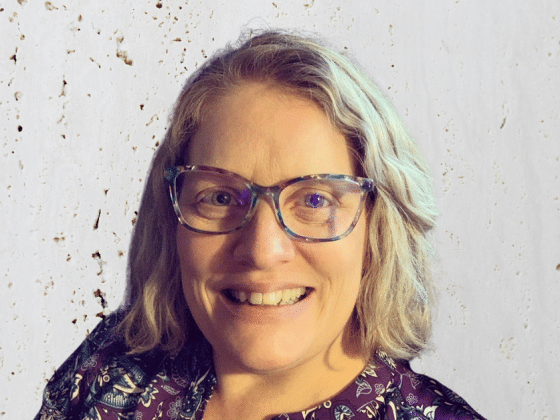
In this conversation, Ashley Cisneros Mejia talks with Dr. Suzanne (Sue) Bowness, writer, editor, teacher, consultant, and author of The Feisty Freelancer. Sue has been freelancing independently since 2002, and she’s built a business around long-form writing, teaching, and helping creative freelancers develop their voice, workflow, and confidence.
They cover the full scope of freelancer life: how to start before you feel ready, how to find clients, what to do when fear affects your decisions, and ways to build a healthier rhythm when you work from home. Sue also shares insights from her book and offers realistic, encouraging advice that freelancers at any stage can use.
If you’re a creative freelancer trying to build a writing business that fits your life instead of draining it, this episode gives you the tools and reassurance you need.
Episode Overview
This interview with Dr. Suzanne Bowness breaks down what it really takes to build a sustainable career as a freelancer, from getting your first clients to setting boundaries, handling edits, staying productive at home, and navigating the emotional ups and downs of freelance life.
Key Takeaways
- Freelancers don’t need perfect websites or portfolios to begin; starting with the skills you already have is the fastest way to build momentum in your freelance business.
- Setting boundaries early protects freelancers from burnout and helps creative freelancers maintain healthier relationships with clients.
- Staying productive in freelance writing requires simple systems like routines, movement breaks, and realistic daily goals that support long-term focus.
- Fear often influences freelance decisions, but noticing those patterns makes it easier to choose opportunities from confidence instead of pressure.
- Creative freelancers can find better clients by showing their personality, tailoring their writing voice to each project, and staying consistent with outreach.
- Freelancers who accept that slow seasons are normal feel less discouraged and are better prepared to rebuild energy, pitch again, and keep growing their writing business.
Time Stamps
[1:41] How did Dr. Sue Bowness start her freelance journey?[6:01] How should freelancers balance multiple freelance roles?
[13:46] How do you set boundaries as a freelancer?
[20:15] How do you tailor freelance services for different clients?
[36:03] What advice helps new freelancers get started?
[41:55] What are Dr. Sue’s favorite chapters in The Feisty Freelancer book?
[45:08] What’s next for Dr. Sue Bowness’ freelance brand?
About Dr. Sue Bowness
Dr. Suzanne (Sue) Bowness is a writer/editor/consultant and principal of CodeWord Communications. She has been working independently since 2002 and published her guide to freelancing The Feisty Freelancer with Dundurn Press in 2025 after teaching writing courses for 15+ years. Read more about her and her work at www.suzannebowness.com and keep up with The Feisty Freelancer at www.feistyfreelancer.com.
Noteworthy Quote From This Episode
“Feisty is about standing up to get paid what you’re worth and standing up for telling the story in the right way. I’m feisty. I think when I stand up for good contracts. I think we can all be quietly feisty in our own way. That’s the way that we will be able to continue to do this thing that we love.”
Dr. Sue Bowness
Listen Now


Click the player above to listen to the episode. We’re also available on all major podcast platforms including: Amazon Music, Apple Podcasts, Spotify, YouTube Music, iHeart Radio, Podcast Addict, and Deezer. You can also find all episodes on our Buzzsprout page and watch our interviews on our YouTube channel. Get more info about our freelance podcast here.
Watch This Interview on YouTube. Subscribe Here!
Diversify Your Freelance Business

Discover 220+ freelance service ideas to diversify your income using the skills you already have. This free guide helps writers and creatives expand into new offers, niches, and formats—without starting from scratch. Get your diversification guide here.
Let’s Get Social
Love the podcast so far? Rate and review us if you use Apple Podcasts and join in the freelance conversation on Instagram, Facebook, TikTok, Twitter/X, and YouTube! You can also connect with Ashley on LinkedIn and check out our boards on Pinterest!
Frequently Asked Questions (FAQ) From This Episode
Do I need a professional website to start freelance writing?
Not necessarily. Dr. Sue recommends starting with what you have. Focus on your writing samples and build credibility through connections, not perfection.
How can I stay motivated when freelance work slows down?
Expect slow seasons and use them to recharge, research, and refine your freelance goals. Rest is part of growth.
What’s the best way to find freelance writing clients if I’m just starting?
Start with your existing network. Reach out directly and let people know you’re available. Word of mouth and referrals are powerful.
How do freelancers avoid burnout?
Set boundaries early, manage your time intentionally, and protect your energy with routines that include movement and regular breaks.
What if fear is holding me back from being a full-time freelancer?
Acknowledge the fear but don’t let it decide for you. Take small steps, and trust that progress builds confidence.
What should I charge for freelance writing if I’m new?
Dr. Sue suggests starting with rates that reflect your value and then adjusting as you gain experience. Don’t undercharge out of fear.
How do I pitch freelance writing clients without sounding pushy?
Keep it conversational. Show you’ve done your homework and clearly explain how you can help them reach their goals.
Is it okay to take a break from freelancing if I feel overwhelmed?
Yes. Breaks can help you realign, recover, and come back stronger. Freelance life is a marathon, not a sprint.
How do I know if a freelance writing client is a good fit?
Look for red flags early. If communication feels off or expectations aren’t clear, it’s okay to walk away.
Can freelance writers succeed without social media?
Yes. Social media can help, but it’s not required. Many writers build thriving freelance businesses through referrals, content samples, and relationships.
Read The Transcript
How Did Sue Bowness First Get Started in Freelance Writing?
Sue Bowness explains how her love of writing shaped her early life and how an unexpected layoff pushed her into building a freelance career. Her story shows creative freelancers how unexpected detours can become the start of a sustainable freelance life.
Ashley Cisneros Mejia: Dr. Sue, thank you so much for being on The Talk Freelance To Me Podcast. I’m thrilled you’re here. We met at ASJA, sat together at the Nonfiction Writers Dinner, and I’ve been inspired by your career, your new book, and your trajectory as a freelancer.
Dr. Suzanne Bowness: Thanks so much for inviting me. I came home from the conference and immediately binged this freelancer podcast. I’ve really been enjoying it, and I’m glad to be here.
Ashley Cisneros Mejia: You’ve been freelancing for 20 years and you have your PhD. I joked in our emails that if I ever earned a doctorate, I’d ask my mom to call me doctor. It’s a big deal.
Tell me about your path. What pulled you into freelance writing and kept you here long term?
Dr. Suzanne Bowness: I’ve always known I wanted to be a writer. I remember saying that in grade three. I even have my grade seven autobiography on my bookshelf, where I wrote the same thing.
After undergrad, I had to figure out how to make that passion practical so I could support myself. I’d fallen in love with magazines and realized they could be a place for full-time writing.
I got an internship that turned into a job at a weekly magazine. I worked with a great team for about a year and a half. Then, as happens in publishing, the magazine folded and the whole staff was laid off.
One moment I had my dream job, and the next I had to figure out my next step.
Seeing freelance writers come into the magazine was eye-opening. They had flexible schedules and interesting assignments. I thought freelancing would be something I’d do ten years later, after more industry experience, but the layoff pushed me to try it then. And it stuck.
I realized my personality fit the freelance life. I have an independent streak and the self-discipline to run my own business. Losing my job at 25 made me angry at first, but that frustration pushed me toward something that ultimately suited me better.
Freelancing gave me freedom from constant meetings and allowed me to get back to writing, which is what I love most.
Ashley Cisneros Mejia: I love that story. I definitely relate to the independent streak. And the fact that you knew that about yourself so early in life is amazing.
What Does “Feisty” Mean in the Freelance Life?
Sue Bowness shares how her book The Feisty Freelancer reflects the resilience freelancers need. She explains why “feisty” matters, especially for creative freelancers navigating boundaries, rates, and professional confidence.
Ashley Cisneros Mejia: I want to talk about your book. When you describe that independent streak, it makes me think of Feisty, which is the title of your new book, The Feisty Freelancer. What does “feisty” mean to you in the context of freelance writing, and why did you choose it?
Dr. Suzanne Bowness: One skill we don’t talk about enough in freelancing is resilience. You need persistence to build momentum and keep it going. There’s no magic switch; it’s effort, consistency, and pushing through uncertainty.
A longtime colleague told me he didn’t think of me as “feisty.” He saw me as nice and approachable. That actually made me laugh.
I chose “feisty” partly because I liked the alliteration, but also because of the definition I found: tough, independent, and spirited, often when people don’t expect it.
I’m not starting fights, but I’m quietly persistent. I advocate for fair pay. I stand up for telling the story the right way, even if an editor wants to tone it down too much.
I’m feisty when I push for good contracts or warn other freelancers not to sign a bad one.
We can all be quietly feisty. It’s how we protect our freelance business, our energy, and our worth.
Ashley Cisneros Mejia: I love that so much, especially as women business owners. Sometimes people see assertiveness as something negative, but it’s not. You can be kind and also confident. You can be approachable and still set strong boundaries. Those things can exist together.
Dr. Suzanne Bowness: Exactly. I’m an introvert and often perceived as quiet, but I’ll speak up when something’s not right. As freelance writers, we have to do more of that. Encouraging each other to embrace the title “feisty” without worrying about how it’s perceived is important. Even quiet people can be feisty.
How Does Sue Balance Multiple Roles in Her Freelance Life?
Sue explains how she balances writing, teaching, editing, and mentoring while keeping her creativity alive. Her process shows freelancers how different income streams can coexist without draining their energy.
Ashley Cisneros Mejia: You do so many things. When you worked at the magazine, you were managing projects and production in addition to writing. Now you’re a scholar, a mentor, and an author.
How do you balance all of these roles, and what keeps you energized? Is there one part of your freelance life that you enjoy most?
Dr. Suzanne Bowness: When I started teaching, it became another sideline to support my freelance writing business. I’ve always looked for complementary work, whether it was editing a quarterly trade magazine or picking up teaching opportunities.
Teaching let me pass along my skills and enthusiasm for writing. It also fit around my freelance life because I could teach a course during the day without disrupting my project schedule.
My energy really comes from writing itself. I love putting one sentence after another and exploring new topics.
Interviewing people and translating research into clear, accessible stories keeps things interesting.
Teaching also energizes me. Meeting new writers who finally decide to pursue the creative path they’ve dreamed about is incredibly motivating.
Some students are 30 or 45 when they finally say, “I’m going to become a writer,” and it reminds me why I love this work.
I also get inspired by big-picture conversations about the freelance industry. I love podcasts where we unpack what’s happening now, what’s happened before, and how we can build sustainable freelancer careers.
Those discussions help me show up at my desk every morning with purpose.
Ashley Cisneros Mejia: That’s so good. And you’ve been freelancing long enough to see major industry shifts. The freelance world is unpredictable, and it’s driven by our own effort.
With the economy shifting and AI adding new uncertainty, a lot of freelancers feel scared. They worry about getting the next client and start compromising their rates or boundaries because of fear.
What advice do you have for freelance writers and creative freelancers who feel doubtful or pressured to accept work they normally wouldn’t?
Dr. Suzanne Bowness: The fear is real. Things are changing fast, and I feel uncertain about AI too.
But we can’t hide from it, because it’s already here.
I wrote about AI in the last chapter of the book even though I resisted it at first. I kept thinking about how much has changed in the last 20 years and how, despite everything, there are always new opportunities for writers.
Some types of freelance work disappear, and others emerge. Our job is to stay flexible and look for the new places where our skills matter.
That’s part of being a feisty freelancer.
Even with all the change, creativity still requires rest. You can only produce strong freelance writing when you step away from the screen and refill your energy.
That’s why boundaries matter so much.
Working from home has changed too. When I started, I was the unusual one calling into a conference room from my living room.
Now everyone’s on Zoom, which has actually helped freelancers.
The modern “always on” culture makes it even more important to set work hours. I keep hours similar to my clients—around nine to five—because consistency helps me manage my energy and workload.
I don’t answer emails outside those hours unless it’s urgent. This morning, a client emailed me at six to cancel an interview. I saw it briefly when I woke up, but I didn’t respond until nine.
Unless something is truly time-sensitive, I want to signal my boundaries.
More people are respecting this now. You see it in email signatures where people note their working hours.
If I’m working late, I’ll draft an email but schedule it to send during business hours so I’m not signaling availability I don’t intend to maintain.
If I do need to work at night, I take a break at 5:00. I step away and reset, then decide whether the task truly needs to be finished that evening.
Most of the time, it doesn’t.
Successful freelancers will always have deadlines, so taking a walk or making dinner can give you perspective.
Your five-to-nine should be your time.
I tell new freelance writers to aim for balance most of the time, while accepting that occasional busy seasons happen. Check in with your mental health and energy levels often.
We chose the freelance life for flexibility, and boundaries help us protect that freedom.
How Do Freelancers Know When It’s Time to Step Away From Work?
Ashley shares a moment when her focus completely dropped, and Sue explains why stepping away restores clarity, accuracy, and energy. This section helps freelancers recognize when their brains need a break to protect the quality of their freelance writing.
Ashley Cisneros Mejia: There are definitely moments when you know you have to walk away and take a break. Yesterday I was proofing something that’s due soon, and I’d printed it out to review it.
I reached the last page I was working on and realized I didn’t remember a single sentence I just read.
It felt like my brain checked out while my eyes kept moving across the page. If you quizzed me, I would’ve failed miserably.
That’s when I knew it was time to close it for the day.
Taking breaks is essential because they help us recharge and come back stronger. I also love what you said earlier about signaling boundaries through how we communicate.
Clients learn our expectations from what we model as freelancers.
You’ve worked with so many different organizations—government, nonprofits, private companies, universities.
How do you tailor the freelance services you offer and the way you communicate to fit each client’s needs?
How Does Sue Adapt Her Voice and Process for Different Clients?
Sue describes how she writes long-form content across multiple sectors while keeping her freelance voice aligned with each client’s brand. Freelancers can use her approach to strengthen their client relationships and consistency.
Dr. Suzanne Bowness: Over time, I realized my business centers around long-form content. No matter the sector, I’m usually writing magazine-style stories, profiles, or research features, because that’s what I love.
I started writing in the education sector because universities and colleges publish alumni magazines and research publications.
Those outlets needed exactly the kind of stories I enjoy—deep interviews, narrative structure, and clear translation of complex ideas.
Even though my clients span different industries, the work itself feels similar because the form is consistent.
I’m always looking for places where I can write meaningful, long-form pieces.
To match their voice, I study their existing material. With new clients, I read a lot of their back catalog to understand tone, rhythm, structure, and even small details like how they format titles or how many quotes they use.
It’s a sign of respect to understand their brand before I write a single word.
Then I ask clarifying questions to make sure I’m interpreting their expectations correctly.
I love a clear assignment brief because it sets everyone up for success. Once I have that, I’m completely open to suggestions and revisions.
As freelancers, we have to remember that the client is the keeper of the brand.
They’ve spent years immersed in it.
I’m stepping in as a collaborator who brings expertise, but I’m still one part of the larger creative process.
Being flexible while staying confident in your craft is key. Many clients appreciate when I share best practices I’ve learned from similar organizations, because it helps them grow too.
That exchange strengthens the relationship and improves the final product.
How Should Freelancers Handle Edits and Client Feedback?
Ashley describes the emotional side of receiving edits, and Sue shares how freelance writers can balance professional pride with client preferences. This section helps creative freelancers navigate revisions without taking them personally.
Ashley Cisneros Mejia: Working with editors can be tough. Writing is an art, even when it’s not purely creative, and we put so much effort into matching a client’s voice after studying their past work.
We try to offer something fresh while still aligning with what they need.
But once we hit “submit,” it can feel personal when the edits come in. Sometimes the feedback is simply a preference, not an issue of quality.
And even when we think our draft is strong, the client may want something different.
I always think of it like math. Four plus four will always equal eight, no matter what.
But writing isn’t math. It’s subjective, so preferences will always be part of the process.
Clients are paying for the final say, but that doesn’t mean edits are easy to receive.
What do you tell freelance writers and creative freelancers about handling critiques without losing confidence?
When Should Freelancers Push Back on Edits—and When Should They Let Go?
Sue explains how freelancers can evaluate feedback, protect their expertise, and still collaborate respectfully. Her approach shows how to maintain authority without damaging client relationships.
Dr. Suzanne Bowness: It’s always a balance. You’re constantly evaluating which edits matter enough to push back on and which ones don’t.
If something is factually incorrect or spelled wrong, I’ll speak up and explain why. I try to keep my tone direct and neutral so it’s a collaborative conversation, not a confrontation.
But if it’s a stylistic choice and there’s flexibility, I let the client decide.
They’re paying the bill, and they know their brand better than anyone.
They spend all day working within those guidelines, and I want to honor that.
At the same time, I’ve worked in this field for a long time, so I understand structure, clarity, and best practices. Clients appreciate when I bring insights from other publications or organizations because it helps them improve their own approach.
It’s about positioning yourself as part of their team.
When you show that you’re open, professional, and solutions-oriented, clients trust you more. And that trust strengthens the relationship over time.
How Did Sue’s Academic Research Shape Her Freelance Career?
Sue explains her doctoral research on the history of magazines in Canada and how studying media archives strengthened her writing, teaching, and long-form storytelling. This section helps freelancers see how deeper expertise can enrich their creative careers.
Ashley Cisneros Mejia: You know so much about the history of magazines. You mentioned studying journalism and working at a magazine early in your career.
Tell me about your scholarly work and how researching Canadian magazines has influenced your freelance business.
Dr. Suzanne Bowness: I’m rarely asked about my academic work, so I’m always excited to talk about the history of magazines. In Canada, our magazine landscape is influenced heavily by Britain and the U.S., so I studied how those traditions evolved and how Canada developed its own publishing identity.
I wrote my master’s thesis on the history of the magazine where I had been working. It had folded a few times over the years, but it originally launched in 1887 and had a rich archive.
Looking through microfilm and piecing together the early issues showed me how editors shaped literary culture at a time when magazines were still new.
That work grew into my doctoral research. I looked at Canadian magazines from 1789 to 1900, starting with the first publication in Halifax, which appeared even before Canadian confederation.
For a long time, Canada’s magazines existed in small pockets across a frontier-style landscape.
As the industry grew, it moved from Halifax to Montreal and eventually Toronto. In the late 1800s, magazines were major cultural forces because other media were limited. They published fiction, commentary, and news.
The editors were often pioneers who, issue by issue, were trying to build a national conversation.
Archival work was challenging because magazines aren’t meant to last. Most were thrown away, which means the surviving material is scarce and scattered.
But reading the editorial notes and letters to contributors was incredibly revealing.
Editors published feedback directly in the magazine because it was the only way to reach anonymous writers. You’d see entries like, “Ms. Smith, your contribution is accepted, but please be less wordy next time.”
Between the lines, you could see how they coached writers, shaped tastes, and helped develop cultural identity.
It gave me a deep appreciation for editorial decision-making and how magazines support writers.
That perspective still influences how I think about freelance writing today.
The academic work also taught me how to build long-form projects. My master’s thesis was over 100 pages, and my PhD dissertation was over 300 pages.
Structuring that much material helped me later when I ghostwrote a book and eventually wrote The Feisty Freelancer.
The experience taught me how to organize complex ideas, make dry material more engaging, and manage large bodies of writing.
It also prepared me for teaching, because I learned curriculum design, pedagogy, and how to translate knowledge into something people can actually learn from.
Teaching made me better at explaining writing decisions to clients. If I can guide a student through grammar or structure, I can articulate those choices clearly for an editor too.
It strengthened both sides of my professional life—my freelance writing and my teaching.
How Did Building a Writing Program Shape Sue’s Approach to Freelancing?
Sue explains how designing a writing program and teaching foundational skills made her a stronger communicator. Freelancers can learn how teaching others sharpens their own editorial instincts.
Ashley Cisneros Mejia: Hearing you talk about designing a curriculum is fascinating. So many people assume that if someone is knowledgeable, they automatically know how to teach.
But communicating complex ideas to beginners is a separate skill.
I remember friends in college who had brilliant professors but couldn’t understand a thing because the professor didn’t know how to return to level one.
That ability to simplify and guide someone step by step is a gift.
Dr. Suzanne Bowness: It really is a skill you develop. After finishing my PhD, I helped build a full writing program that included two semesters of courses and a semester of internship work.
I created the learning outcomes for the program and mapped out what new writers needed to understand about the profession.
It taught me how to sequence knowledge and break things down in a way people can actually use.
Teaching also strengthened my freelance work. It forced me to explain why certain writing choices work and how to recognize errors more clearly.
The more I taught others to identify structure or grammar issues, the sharper my own instincts became.
It wasn’t intuitive at first, so I took courses on pedagogy and curriculum development.
Those tools made me more effective in the classroom and in my freelance relationships.
Understanding how to teach something also makes you better at explaining decisions to clients.
I can walk them through why a change matters or why a certain approach improves the clarity of their content.
What Advice Would Sue Give Herself in Her First Year as a Freelancer?
Sue shares the business training that gave her an early advantage and explains why new freelancers should stop waiting for perfection and start taking action. Her advice helps freelance writers launch faster and with more confidence.
Ashley Cisneros Mejia: Thinking back on your own freelance life, what advice would you give to “Year One Sue”? What’s something new freelancers often get wrong?
Dr. Suzanne Bowness: I was very lucky. When I was laid off, I qualified for employment insurance and enrolled in an eight-week program that offered business training for new entrepreneurs.
I learned how to write a business plan, what goes into an invoice, and how to structure a company.
The program also included a business coach, which helped build momentum early.
Because of that support, the biggest advice I give new freelancers is to start before you feel ready.
Perfectionism is the biggest barrier I see.
Some people wait weeks or months trying to polish their website, LinkedIn profile, portfolio, or branding.
Meanwhile, they could have already sent pitches, made connections, or landed a client.
If you want to start freelancing tomorrow, send something tomorrow.
Reach out to someone. Make a connection. Start moving.
Do just enough to look professional—set up a proper email, build a simple LinkedIn profile, maybe create one clean document introducing yourself.
But don’t wait to build a full website or a massive portfolio before putting yourself out there.
I always say a website is great, but it can also be a “six-months-from-now” project.
Right now your priority is income and experience, so start the business activities at the same time you’re building the administrative pieces.
Work on bookkeeping or systems when needed, but don’t let those tasks delay your core goal: getting freelance writing work.
Momentum is more important than polish in the beginning.
How Can Freelancers Avoid Perfectionism and Build Momentum Faster?
Ashley reflects on how perfectionism holds freelancers back, and Sue explains why submitting work at “90 percent” is often enough. This section helps freelance writers stop overthinking and start taking strategic action.
Ashley Cisneros Mejia: That’s such good advice. I’m a recovering perfectionist, and I think a lot of freelance writers struggle with that because accuracy, grammar, and credibility matter so much in our work.
We’re trained to avoid mistakes, so that mindset spills into our business decisions.
But perfectionism slows us down.
I remember the first time I heard the term minimum viable product at a startup weekend. It blew my mind.
The idea that something could be “good enough” to share before it’s perfect was shocking to me.
Your advice makes me think of that concept. Get the basics solid enough to start talking to people, and improve it as you go.
Some writers don’t pitch because they’re busy trying to perfect their site or online portfolio.
But meanwhile, many writers are thriving with a simple Google Doc. One writer I met at ASJA had a clean doc with links to her clips organized by type.
She wasn’t obsessing over hosting or special platforms, and she was getting great bylines.
We definitely overthink that part of the freelance life.
Dr. Suzanne Bowness: Absolutely. I’m not a perfectionist by nature, and I think that helped me build my freelance writing business faster.
I see many students get stuck polishing things endlessly.
Deadlines cure perfectionism quickly.
I sometimes encourage students to aim for 90 percent instead of 100.
I’m not saying lower your standards to 60.
But pushing from 90 to 95 often takes an extra ten hours, and that time rarely changes the outcome.
If handing something in at 90 percent saves your energy and helps you move on, do that.
Editors exist for a reason.
Leave space for the editor to do their job. You should absolutely submit clean, thoughtful work, but don’t burn yourself out chasing perfection.
It’s okay to hand in a strong first draft that still has room for collaborative refinement.
Most editors will reshape things anyway to fit their publication’s voice or formatting.
Overworking something before an editor sees it is usually wasted effort.
Why Should Freelancers Stop Chasing “Perfect” Drafts?
Sue explains how subjective preferences make perfection impossible and how maintaining realistic standards protects a freelancer’s energy and workflow. This helps creative freelancers refine their mindset around draft quality.
Ashley Cisneros Mejia: That really clicks for me. I would absolutely be the freelancer spending 10 hours trying to move a piece from 92 to 100.
But then the client might still come back with edits because it didn’t match their preferences.
And you’re right—writing is subjective.
Even the strongest draft can be changed because a client wants a different angle or a different tone.
Dr. Suzanne Bowness: Exactly. You could agonize over every word, but clients may still adjust the piece to suit their brand or style.
So why exhaust yourself aiming for an impossible version of perfect?
Most of the time, your 90 percent draft is more than enough to move forward.
And conserving your energy allows you to take on more projects, stay creative, and enjoy the freelance life you’re building.
What Are Sue’s Favorite Chapters in The Feisty Freelancer?
Sue shares which parts of her book were the most fun to write and which chapters she believes freelance writers will revisit often. Her insights show freelancers where they might find the most value in the book.
Ashley Cisneros Mejia: I love this book. I’m about halfway through and really enjoying it.
Do you have a favorite chapter or section you especially loved writing?
Dr. Suzanne Bowness: There are a few I loved writing and a few I think people will use the most. I enjoyed writing the sections on reading like a writer, writing a pitch, and writing an article.
It was fun to articulate and break down the things I do every day in my freelance life.
I’d write a draft and then remember to add things like fact-checking or interviewing a diverse range of people to keep an article balanced.
Those chapters helped me reflect on my own process.
I’ve taught those concepts before, but putting them in writing made me think even more deeply about them.
I also think the chapters freelancers will revisit are the ones on working with editors and clients.
People always ask me about those relationships.
Another topic freelancers constantly ask about is productivity.
Former students message me with questions about workflow, burnout, routines, and project management.
Even I ask my editorial friends the same things. I’ll say, “Does this happen to you? How do you handle this situation?”
So I hope those chapters feel reassuring and practical because they reflect the real challenges of freelance life.
What’s Next for Sue After Publishing the Book?
Sue shares how she’s promoting The Feisty Freelancer and what creative projects she’s exploring next, including a six-week course and a long-term novel draft. Freelancers can see how she extends her work beyond the book.
Ashley Cisneros Mejia: So what’s next for you? Are you working on any exciting projects related to the book or outside of it?
Dr. Suzanne Bowness: Right now I’m focused on getting the book out there. I’ve been connecting with writing programs, doing talks, and letting people know there’s a new resource for freelance writers.
I’m also doing podcasts like this one.
Before the book was published, I had already been building online courses, so I’m continuing to develop a six-week course on how to become a freelancer.
It’s the same content delivered in a different format, through Zoom, for people who want structure and guidance.
I’ve been getting great feedback from students who are using the book chapter by chapter to improve their freelance writing business.
One student told me last week that she’s working through the marketing chapter slowly and asking herself, “Am I doing this? Do I need to improve here?”
Hearing that is incredibly rewarding.
I’m also thinking about what other books I might write.
I enjoy the process and feel more confident now that I’ve completed a couple of long-form projects.
Right now I’m working on a novel. I’ve been writing it for a few years and would love to carve out more time for it.
And in nonfiction, I’d love to write something else connected to the “feisty” brand.
What Is Sue’s Novel About, and How Does Fiction Fit Into Her Creative Life?
Sue shares the early details of her novel and explains how writing fiction challenges her in new ways. This helps freelance writers see how personal creative work can exist alongside paid freelance work.
Ashley Cisneros Mejia: That’s so cool. Can you tell us a little bit about the novel?
Dr. Suzanne Bowness: Sure. It’s a work of literary fiction that follows a single character moving through her life.
It’s hard to talk specifics at this stage because it’s still evolving.
But I’m enjoying the process of getting to know the character and figuring out what the structure needs to be.
In many ways, it feels harder than nonfiction because you’re inventing the world instead of responding to it.
I’m constantly thinking about what will be most satisfying for the reader.
I’m a big reader myself, so I’m both inspired and intimidated by all the incredible books out there.
As I revise my second draft, I’m studying other novels to better understand pacing, clarity, and emotional depth.
How Do Freelancers Protect Time for Their Own Creative Projects?
Ashley reflects on how freelance work can drain creative energy, and Sue shares how she’s learning to carve out time for fiction. Their exchange helps freelancers understand the importance of nurturing personal writing projects.
Ashley Cisneros Mejia: I love that so much. Many freelance writers make a living through client work, but it’s powerful to protect time for our own creative projects too.
I’ve never tried fiction because I feel like my creativity has been trained out of me.
Years of writing for newspapers and then for businesses made writing feel very structured.
The idea of inventing something from imagination is intimidating.
But I know so many people in our community will feel encouraged hearing that you’re doing both kinds of writing.
Dr. Suzanne Bowness: It definitely takes energy. After writing for clients from nine to five, it’s hard to switch gears and write fiction at night.
Finding time and enthusiasm is slow, but the desire has always been there.
When I was younger, I wasn’t dreaming about writing annual reports.
I was dreaming about writing the kinds of books I grew up reading.
That dream still lives in me, so I keep carving out little bits of time to work on it.
Hopefully one day it will come together and be something I can share.
Where Can Freelancers Find The Feisty Freelancer and Connect With Sue?
Sue shares where listeners can buy her book and follow her work. This helps freelancers access her resources and stay updated on upcoming projects.
Ashley Cisneros Mejia: Where can people get their own copy of The Feisty Freelancer and keep up with you online?
Dr. Suzanne Bowness: Everything is at feistyfreelancer.com. Anyone who knows me knows I like to create websites for all my projects so everything is easy to find in one place.
At feistyfreelancer.com you’ll find links to buy the book on Amazon or Indigo.
You’ll also find my Instagram for the book, where I’ve been sharing updates from its journey.
I’ll post any events, talks, or podcast episodes there too.
Once this episode goes live, I’ll share it so people can catch it from my site as well.
Ashley Cisneros Mejia: Thank you so much, Sue. I’ll include all your links in the show notes for anyone listening.
If you’re watching on YouTube, the links will be in the description so you can grab your copy there too.
This has been such a fun conversation. I loved learning about your journey and feeling inspired by your story.
Thank you again for being here.
Dr. Suzanne Bowness: Thank you. I really appreciate being here.