Click the player above to listen to the episode. Or listen on your favorite podcast app! We’re on all major podcast platforms including: Amazon Music, Apple Podcasts, Spotify, YouTube Music, and iHeart Radio, to name a few. You can also watch the interviews on our YouTube channel.
Table of Contents
- Are you running your freelance business with intention or just reacting to deadlines?
- Episode Overview
- Key Takeaways
- Time Stamps
- About Melanie Padgett Powers
- Noteworthy Quote From This Episode
- Listen Now
- Watch This Interview on YouTube. Subscribe Here!
- Diversify Your Freelance Business
- Let’s Get Social
- Frequently Asked Questions (FAQ) From This Episode
- How can I take a break from client work without losing momentum in my freelance business?
- What is a solo business retreat for freelancers?
- Why do freelancers struggle to make time for their own business planning?
- How can I avoid burnout as a creative freelancer?
- What should I focus on during a solo business retreat?
- Can freelancers take retreats even if they’re super busy?
- How do I know if I need to pause and reflect on my freelance life?
- What’s the biggest mindset shift freelancers need to make to grow?
- Is it normal to fall out of love with freelance work?
- How can creative freelancers build a business that feels more joyful?
- Read The Transcript
- How did Melanie Padgett Powers get started in journalism and freelance writing?
- What role did early newsroom experience play in Melanie’s freelance success?
- How did Melanie transition from journalism to association work?
- Why did Melanie choose freelance writing over a traditional career path?
- How did agency experience shape Melanie’s freelance process?
- Why are membership associations a strong niche for freelance writers?
- Do membership associations still publish magazines?
- Are membership associations affected by economic downturns?
- Why does treating freelancing like a business matter?
- How can freelancers plan a productive solo business retreat?
- How can freelancers evaluate their clients more honestly?
- Why does time tracking matter for freelance writing?
- How does pricing correctly reduce freelancer stress?
- What is peak productivity time for freelancers?
- Do freelancers need early-morning routines to succeed?
- How can freelancers build schedules that actually work?
- Why honoring energy improves freelance life?
- Why freelancers don’t need hustle culture advice?
- How does podcasting support the freelance journey?
- How has podcasting shaped Melanie’s freelance life?
- Why can a podcast be valuable even without monetization?
- How does podcasting help introverted freelancers build community?
- Is freelancing becoming more common across industries?
- How does Melanie acknowledge the realities freelancers face right now?
- How can freelancers pause instead of spiraling?
- Where can freelancers find Melanie Padgett Powers online?
- Why does Melanie’s work matter to the freelance community?
- Final thoughts on freelance life and community
Are you running your freelance business with intention or just reacting to deadlines?
It’s easy to stay in motion as a freelancer. Between client work, content marketing, invoicing, and trying to keep up with everything else, we often skip the most important work: thinking strategically about what we want from this business and how we’re actually doing.
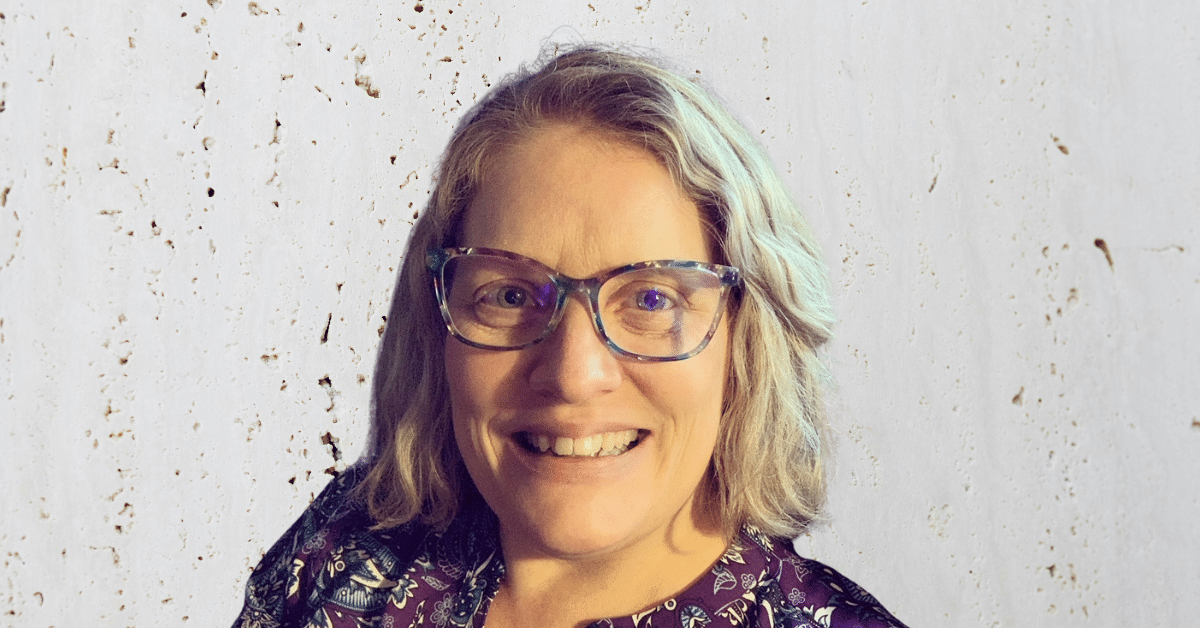
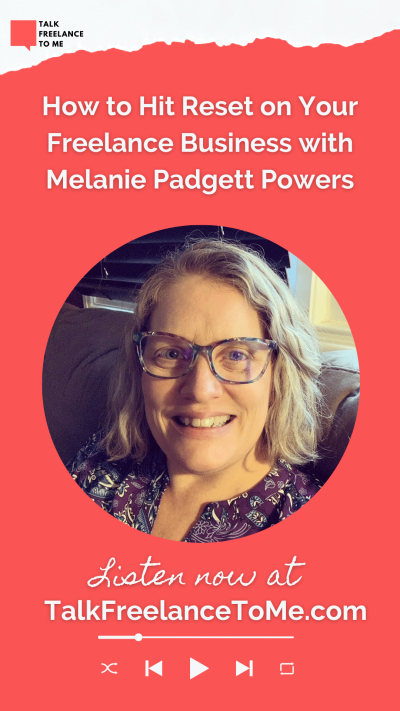
This week, I’m joined by Melanie Padgett Powers, a longtime freelancer, managing editor, writer, and host of The Deliberate Freelancer podcast. She shares why stepping back to plan is essential, how she created the idea of a “solo business retreat,” and what creative freelancers can do to build in reflection time—even if they’re short on capacity.
Inside the episode, we cover:
- Why your freelance business needs a CEO mindset
- How to design your own solo business retreat
- What to ask yourself when things feel out of alignment
- Small shifts that lead to more intentional, satisfying freelance work
- How to evaluate what’s working (and what’s not)
Melanie has built a freelance career that blends journalism, association editing, podcasting, and solo travel—proving that your freelance path doesn’t have to look like anyone else’s. If you’re ready to work on your business instead of just in it, this episode is for you.
Episode Overview
In this episode of The Talk Freelance To Me® Podcast, host Ashley Cisneros Mejia interviews journalist Melanie Padgett Powers. We’re digging into how solo business retreats can help freelancers take back control of their time, energy, and business direction—without needing a fancy hotel or big budget.
Key Takeaways
- Freelancers often forget to step back and assess their business until something feels off. Solo business retreats give you space to pause and ask if your work is still aligned with your values and goals.
- You have to schedule time to work on your freelance business, not just in it. Strategic thinking doesn’t happen between client calls and deadlines unless you make space for it.
- Creative freelancers don’t need fancy retreats to reflect A plan, some quiet, and dedicated time will do the trick. Melanie shares how she uses libraries, parks, and solo travel to reset and refocus.
- One powerful question to ask yourself regularly is: Do I still love what I’m doing? If the answer is no, it’s time to make small changes before burnout sets in.
- Freelance writing success depends on clarity.. Getting clear about what’s working, and what’s draining you, leads to better decisions and longer-term sustainability.
- Running a freelance business well means acting like the CEO. Melanie encourages freelancers to take ownership of their direction, marketing, and mindset.
Time Stamps
1:11 — Who is Melanie Padgett Powers and what’s her freelance background?
3:16 — How did Melanie Padgett Powers transition into freelance work?
8:36 — Are membership associations a freelance opportunity?
12:41 — What is a solo business retreat for freelancers?
17:46 — How can freelancers design a low-stress business?
22:10 — How has podcasting shaped Melanie Padgett Powers’ freelance journey?
29:17 — Where can listeners find more freelance resources from Melanie Padgett Powers?
About Melanie Padgett Powers
Melanie Padgett Powers is the owner of MelEdits in the Washington, D.C., area, where she is a magazine managing editor, writer and proofreader for membership associations, primarily in the health care and science space. Melanie has a journalism degree and was previously a newspaper reporter in her home state of Indiana. She is also the creator and host of the Deliberate Freelancer and Association Station podcasts. Melanie lives with her husband and two entertaining cats, Maxy and Daisy. She loves all things books and reading, Washington Nationals baseball and solo travel adventures. Connect with Melanie on LinkedIn.
Noteworthy Quote From This Episode
“I call them solo business retreats. It’s a time to slow down, reflect, and work on your business—not for your clients. You have to schedule it. It’s not going to happen between phone calls, meetings, or while you’re trying to get work done. Ask yourself: Is what I’m doing actually working? Do I enjoy it? You should love what you’re doing”
Melanie Padgett Powers
Listen Now


Click the player above to listen to the episode. We’re also available on all major podcast platforms including: Amazon Music, Apple Podcasts, Spotify, YouTube Music, iHeart Radio, Podcast Addict, and Deezer. You can also find all episodes on our Buzzsprout page and watch our interviews on our YouTube channel. Get more info about our freelance podcast here.
Watch This Interview on YouTube. Subscribe Here!
Diversify Your Freelance Business

Discover 220+ freelance service ideas to diversify your income using the skills you already have. This free guide helps writers and creatives expand into new offers, niches, and formats—without starting from scratch. Get your diversification guide here.
Let’s Get Social
Love the podcast so far? Rate and review us if you use Apple Podcasts and join in the freelance conversation on Instagram, Facebook, TikTok, Twitter/X, and YouTube! You can also connect with Ashley on LinkedIn and check out our boards on Pinterest!
Frequently Asked Questions (FAQ) From This Episode
How can I take a break from client work without losing momentum in my freelance business?
Plan a solo business retreat—a day or two just for you to step back, reflect, and focus on your own business goals. Block it out on your calendar and treat it like a client appointment you can’t skip.
What is a solo business retreat for freelancers?
A solo business retreat is a dedicated time away from client work to check in on your freelance business, reset your mindset, and strategize next steps. It’s about working on your business, not in it.
Why do freelancers struggle to make time for their own business planning?
Because client demands usually take priority. Without intentional scheduling, there’s rarely time left over to pause and reflect. That’s why Melanie suggests freelancers need to schedule solo business retreats, or they’ll never happen.
How can I avoid burnout as a creative freelancer?
Start by recognizing early signs like constant fatigue, irritation, or lack of joy in your work. Then, create space to reconnect with what you love—whether that’s through rest, creative play, or business reflection time.
What should I focus on during a solo business retreat?
Use the time to assess what’s working in your freelance business and what’s not. Revisit your goals, update your systems, dream bigger, and make space for joy and clarity in your work.
Can freelancers take retreats even if they’re super busy?
Yes. Melanie recommends starting small—even a few hours of focused time can make a big difference. The key is to schedule it and honor that commitment to yourself.
How do I know if I need to pause and reflect on my freelance life?
If you feel like you’re constantly chasing deadlines or unsure why you’re even doing certain projects, that’s a sign it’s time to step back. A retreat can help you reset and realign.
What’s the biggest mindset shift freelancers need to make to grow?
That your business deserves your attention—even if no one is demanding it. You can’t grow if you’re only reacting to client needs. You need space to think, reflect, and plan for what’s next.
Is it normal to fall out of love with freelance work?
Yes, and it doesn’t mean you’ve failed. It may just be a sign that you’ve been on autopilot. Taking a break to reflect can help you reconnect with what you do love and make changes accordingly.
How can creative freelancers build a business that feels more joyful?
By giving themselves permission to step back, question what’s working, and intentionally build a business that supports the life they want—not just one that keeps them busy.
Read The Transcript
How did Melanie Padgett Powers get started in journalism and freelance writing?
This section introduces Melanie’s early passion for journalism and how that foundation eventually led her into freelance writing. It highlights how long-term skill-building shapes a sustainable freelance life.
Ashley Cisneros Mejia:
Welcome everyone to another episode of the Talk Freelance To Me Podcast. I’m your host, Ashley Cisneros Mejia, and today you’re in for a real treat.
I’m joined by the amazing Melanie Padgett Powers, host of The Deliberate Freelancer, which is genuinely one of my favorite podcasts. Melanie, welcome to the show.
Melanie Padgett Powers:
Thank you so much. I’m excited to be here, and thank you for that very kind introduction.
Ashley Cisneros Mejia:
I love your work and your journey. For people who may not know you yet, can you share a bit about your background in journalism, your podcast, and how you got to where you are today?
Melanie Padgett Powers:
I started out in journalism very early. I was 14 years old and already knew I wanted to be a newspaper reporter.
I went to journalism school, got my degree, and started working at newspapers in the 1990s. I absolutely loved the work, just not the pay or the hours.
What role did early newsroom experience play in Melanie’s freelance success?
This section explores how hands-on newsroom work builds transferable skills that creative freelancers rely on when running a freelance business.
Melanie Padgett Powers:
One of the most valuable experiences I had was working at my hometown newspaper, Whitewater Publications, which we called “the Pub.”
I was hired as an intern while still in college, but they threw me right in. I reported, wrote stories, covered town council meetings, took photos, copyedited, and even helped paste up the newspaper.
I learned how to do everything, and that freedom taught me how journalism really works from the inside out.
How did Melanie transition from journalism to association work?
This section explains how journalism skills translate into association publishing and why this niche can be powerful for freelance writers.
Melanie Padgett Powers:
After working at newspapers, I moved from my small Indiana hometown to Washington, DC. I thought I wanted to be an education reporter, but I ended up working at the American Public Health Association.
I was hired as an assistant editor for their monthly newspaper, even though I didn’t yet understand public health or membership associations.
What I quickly realized was that I loved writing for a dedicated audience that already cared deeply about the mission. I could still apply journalism ethics and storytelling, but without having to chase readers.
Why did Melanie choose freelance writing over a traditional career path?
This section focuses on mindset shifts many freelancers experience when moving from employment to owning a freelance business.
Melanie Padgett Powers:
I spent about 13 years working in healthcare associations. Eventually, I reached a point where I was tired of doing what I thought I was supposed to do.
I quit my job in October 2013 and went freelance. Having an entrepreneurial husband helped because I had seen firsthand that it was possible to build your own path.
I’ve never looked back. Freelancing gave me control over my work, my time, and my career in a way traditional jobs never did.
How did agency experience shape Melanie’s freelance process?
This section highlights how agency work can sharpen systems and workflows that freelancers later use in their own businesses.
Melanie Padgett Powers:
I also spent two years at a content marketing agency in DC, working as a managing editor for healthcare association magazines.
That experience completely shaped how I work today. I learned best practices for managing publications, working with designers, hiring photographers and illustrators, and building efficient editorial workflows.
The process I use with my freelance clients now is almost entirely based on what I learned during those two years.
Why are membership associations a strong niche for freelance writers?
This section explains why membership associations often provide stable, mission-driven work for freelancers and creative freelancers.
Ashley Cisneros Mejia:
You mentioned that membership associations already have a built-in, invested audience. That feels like such a difference compared to traditional media.
Can you talk more about why this niche works so well and whether it’s an opportunity for freelancers listening?
Melanie Padgett Powers:
I do think it’s a real opportunity, though associations are changing like everything else.
Some associations have eliminated their magazines entirely, sometimes with very little notice. Others have shifted from print to digital, often moving to newsletters or online content hubs.
Do membership associations still publish magazines?
This section breaks down how association publishing is evolving and where freelance writing still fits in.
Melanie Padgett Powers:
Printing and mailing are expensive, so many associations can’t afford traditional print anymore.
That said, the magazine consistently ranks as the number one member benefit in association surveys. From my very biased perspective, getting rid of it entirely isn’t always the smartest move.
The strongest associations have taken a thoughtful approach, moving their magazines online as full content hubs rather than just posting articles occasionally or using flipbook PDFs.
How can freelancers find work with membership associations?
This section outlines realistic entry points for freelance writers interested in association work.
Melanie Padgett Powers:
Those online-first magazine transitions still create opportunities for freelance writers.
Some associations hire freelancers regularly. Others rely on members as contributors, which can limit writing opportunities but still open doors for editing roles.
My advice is to identify an industry you care about, like healthcare, tech, education, or science, and then research the associations in that space. Look for those that publish magazines, blogs, or robust content platforms and see whether they work with freelance writers.
Are membership associations affected by economic downturns?
This section addresses financial stability concerns many freelancers have right now.
Melanie Padgett Powers:
Associations aren’t immune to economic pressure, but they’re often less affected than other industries.
Many survived the pandemic and are still operating with stable membership bases. Some are struggling right now, but overall, I still see association work as a niche that continues to offer opportunities for freelance writers.
Why does treating freelancing like a business matter?
This section introduces the mindset shift from freelancer to small business owner.
Ashley Cisneros Mejia:
One thing you talk about often on your podcast is recognizing that freelancers are business owners.
You’ve also talked about solo business retreats, which really stood out to me. Big companies plan retreats, so why shouldn’t creative freelancers?
Can you walk us through what those retreats look like and how someone could create one for themselves?
What is a solo business retreat for freelancers?
This section explains how freelancers can intentionally step back to work on their business instead of staying stuck in client work.
Melanie Padgett Powers:
I call them solo business retreats partly because it makes me laugh. I’m not necessarily going anywhere fancy.
Sometimes they’re at home. Sometimes I go to a coffee shop, a library, or tack one onto a conference by staying an extra day in a hotel.
The most important thing is getting away from your everyday workspace. That physical shift signals to your brain that today is different.
How can freelancers plan a productive solo business retreat?
This section gives practical guidance freelancers can apply immediately.
Melanie Padgett Powers:
I always have an agenda, even if it’s very simple.
Without one, you sit down and think, “I’m supposed to think about my business,” which can feel overwhelming. Instead, start big picture and focus on reflection.
This is time to work on your business, not for your clients. You have to schedule it intentionally and treat it like an out-of-office day.
What exercises help freelancers reflect during a retreat?
This section introduces strategic tools freelancers can use to evaluate their work and energy.
Melanie Padgett Powers:
One exercise I like is a SWOT analysis: strengths, weaknesses, opportunities, and threats.
Another approach I use involves a four-quadrant grid: unique brilliance, high competence, low competence, and incompetence.
Your unique brilliance is what you love doing and do exceptionally well. That’s where your freelance business should focus as much as possible.
How can freelancers evaluate their clients more honestly?
This section explains a practical method for reducing stress by reassessing client relationships.
Melanie Padgett Powers:
I also rate and rank my clients using a point system.
I assign points for things like paying well, paying on time, being easy to work with, and respecting boundaries. Seeing it laid out clearly helps confirm what you already feel.
It shows you which clients drain your energy and which ones you should nurture or expand work with.
How can freelancers design a low-stress freelance life?
This section explores practical habits that help freelancers reduce overwhelm and build a sustainable freelance business.
Ashley Cisneros Mejia:
You’ve shared great advice about planning and being intentional. What other practices have helped you design a freelance business that supports you instead of draining you?
Melanie Padgett Powers:
The first one people don’t always want to hear is time tracking.
I’m a huge believer in tracking your time because it shows you the reality of how long things actually take, not how long you think they take.
Why does time tracking matter for freelance writing?
This section explains how time tracking supports better pricing and less resentment in freelance work.
Melanie Padgett Powers:
If you don’t track your time, you’ll almost always overestimate or underestimate tasks.
Tracking helps you understand how long a specific type of freelance writing project takes so you can price it properly next time.
When you price projects accurately and charge a project rate instead of hourly or per-word, you’re paid for your value, not just your time.
How does pricing correctly reduce freelancer stress?
This section connects confident pricing with emotional well-being and better client relationships.
Melanie Padgett Powers:
Underpricing creates resentment. You resent the work, the client, and sometimes even yourself.
When you know how long a project will take and you’re paid well for it, the stress drops dramatically. You stop dreading the work and start attracting better clients.
It also makes it easier to say no when something isn’t a good fit.
What is peak productivity time for freelancers?
This section helps freelancers identify when they do their best creative work.
Melanie Padgett Powers:
Another important practice is knowing your peak productivity time.
This is when you do your best deep work, especially for freelance writing or editing. It’s different for everyone, and you have to figure it out for yourself.
Do freelancers need early-morning routines to succeed?
This section challenges common productivity myths in freelance culture.
Melanie Padgett Powers:
Not everyone needs to wake up at 5 a.m. to be successful.
I know that routine will never work for me. I’m not wired that way, and that’s okay.
I write best in the morning, but I need time to ease into my day. My routine works because it’s mine.
How can freelancers build schedules that actually work?
This section offers guidance for aligning freelance schedules with energy levels.
Melanie Padgett Powers:
Some freelancers do their best work late at night. Others are sharpest mid-morning.
As much as possible, build your schedule around when you’re naturally productive. Use daytime hours for meetings and admin if needed, and protect your deep work time.
Blocking that time on your calendar can make a huge difference.
Why honoring energy improves freelance life?
This section emphasizes enjoyment and sustainability in freelance work.
Melanie Padgett Powers:
When you work during your peak productivity time, you actually enjoy your day more.
You get excited about projects instead of dreading them. That energy carries through your work and into your freelance business as a whole.
Why freelancers don’t need hustle culture advice?
This section reframes success away from rigid, one-size-fits-all business advice.
Ashley Cisneros Mejia:
I love that this advice pushes back against the idea that there’s only one way to succeed.
There’s so much noise telling freelancers how they should work, but looking inward and designing a business that fits your life feels far more sustainable.
How does podcasting support the freelance journey?
This section transitions into how creative projects like podcasts can shape freelance growth.
Ashley Cisneros Mejia:
Your podcast, The Deliberate Freelancer, is such a thoughtful resource.
Can you share how podcasting has shaped your freelance journey and how you’ve integrated it into your work?
How has podcasting shaped Melanie’s freelance life?
This section explains how podcasting supports community, reflection, and long-term growth for freelancers, even when it isn’t tied to direct income.
Melanie Padgett Powers:
My podcast has always been a passion project.
I didn’t create it to get more clients, and I don’t have anything to sell to freelancers right now. I was a little naive about how much it would give me in return.
Why can a podcast be valuable even without monetization?
This section highlights non-financial benefits podcasts offer creative freelancers.
Melanie Padgett Powers:
The podcast opened my network in ways I never expected.
I’ve built real friendships with guests and listeners I probably wouldn’t have approached otherwise. Sometimes I listen back to episodes and realize I’ve learned something that helped me through a tough moment in my freelance life.
Even my solo episodes help me think differently about my business and where I want it to go.
How does podcasting help introverted freelancers build community?
This section speaks directly to freelancers who work independently but still crave connection.
Ashley Cisneros Mejia:
I love that, especially because freelancing can be very solitary.
We work in our own bubbles, but podcasts remind us that we’re not alone. There are other creative freelancers choosing this same path, even though freelance life is a different kind of entrepreneurship.
Is freelancing becoming more common across industries?
This section reflects on broader industry shifts affecting freelancers today.
Ashley Cisneros Mejia:
We’re seeing more layoffs across industries, not just journalism.
Even tech, which once felt stable, is experiencing major cuts. I think more people are asking how to take what they know and offer it directly to clients.
That’s why conversations like this matter. They help freelancers see what’s possible.
How does Melanie acknowledge the realities freelancers face right now?
This section grounds the conversation in honesty about uncertainty and instability.
Melanie Padgett Powers:
It’s really hard right now, and I think it’s important to say that out loud.
You can do everything “right” and still lose clients. I’m protected in the association world, but I lost half my income when the pandemic hit.
There’s a lot of disruption and unease, and it can be terrifying. I don’t want to pretend otherwise.
How can freelancers pause instead of spiraling?
This section reinforces reflection as a tool during uncertain seasons of freelance life.
Ashley Cisneros Mejia:
That’s why ideas like solo business retreats feel so important.
Even stepping away from your desk, silencing notifications, and spending time at a library or coffee shop can help you check in with yourself and your business.
Sometimes busyness becomes a way to avoid asking hard questions.
Where can freelancers find Melanie Padgett Powers online?
This section provides clear, scannable information for listeners and readers.
Melanie Padgett Powers:
You can find The Deliberate Freelancer on all major podcast apps.
The easiest way to browse episodes is at deliberatefreelancer.com, where you can scroll through topics, show notes, and resources.
For my freelance business, I’m at meledits.com, and these days I’m most active on LinkedIn.
Why does Melanie’s work matter to the freelance community?
This section closes the conversation by reinforcing credibility and long-term value.
Ashley Cisneros Mejia:
Your podcast has been running since 2019, which is incredible.
Even during a hiatus, there’s a deep archive of episodes freelancers can learn from. You’ve created something lasting for this community, and I really appreciate the leadership you bring.
Final thoughts on freelance life and community
This closing reflects shared values around sustainability, honesty, and connection in freelance work.
Melanie Padgett Powers:
Thank you for saying that, and thank you for this conversation.
I’m truly honored to be on your podcast, which I also love. It’s been really meaningful talking with you.